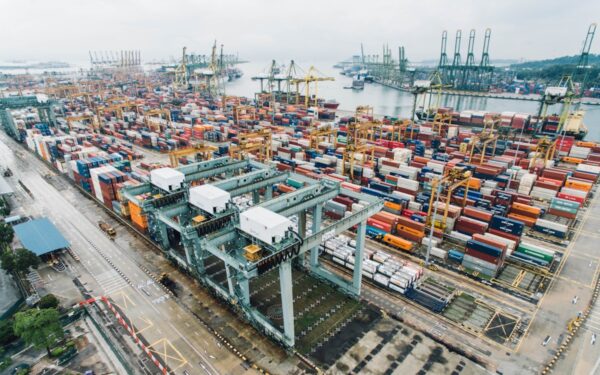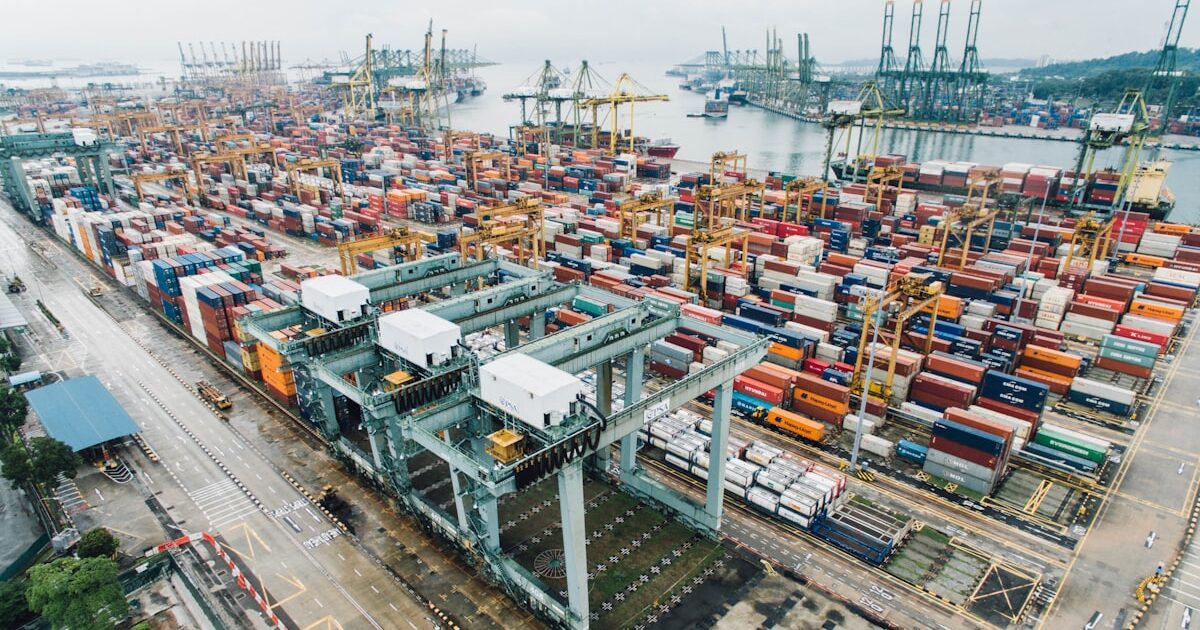
CMA CGM will invest US$100 million to expand the container terminal it operates at the Port of Beirut, more than doubling annual capacity from 1.2 to 2.8 million TEU. Work began on 10 September 2026 with a foundation-stone ceremony at the Lebanese port, and the French shipping group expects the project to run for about 18 months.
The ceremony drew senior figures from both sides. Lebanese Prime Minister Nawaf Salam attended alongside CMA CGM Chairman and CEO Rodolphe Saadé and Port of Beirut Chairman and Director General Marwan Naffi.
Scope of the Expansion
The terminal’s footprint will grow from 45 to 80 hectares, with most of the new space going to container stacking areas. A new quay dedicated to feeder vessels will be built and fitted with two mobile cranes to cut vessel and cargo waiting times. CMA CGM is also adding a customs inspection area with two X-ray scanners, extra parking and staging space, and a heavy-haul bridge meant to ease congestion around the terminal.
Equipment is being renewed too. The site will receive new-generation handling machinery, including hybrid and energy-efficient units, plus a new automated gate complex and optimised storage layouts. CMA CGM will finance, plan and oversee the works itself.
Building on a 2022 Concession
The project marks a new phase for a terminal CMA CGM has run since 2022, when its CMA Terminals subsidiary secured a 10-year contract to manage, operate and maintain the facility. That deal came with a US$33 million programme to rebuild and modernise the site, covering infrastructure upgrades, new equipment and a digital overhaul of operations.
“Since taking over the Beirut Container Terminal concession four years ago, we have given the terminal the means not only to recover but to thrive and reclaim its rightful place,” said Saadé. He framed the new investment as a way to reinforce Beirut’s role as a gateway linking Lebanon with regional and international markets.
Regional Positioning
Beirut sits on the eastern Mediterranean, a corridor where transshipment and feeder traffic feed the wider Levant. With the terminal already running at full annual capacity, the extra room is meant to capture volumes it cannot currently handle. Whether regional demand fills the doubled capacity over the next two years is the open question.