Decathlon has turned a single automated warehouse near Paris into a template for its wider European network. The sporting-goods retailer now runs Exotec goods-to-person systems at seven B2B sites across the continent, all built from one standardized design it calls Skyfleet.
The Skyfleet Blueprint
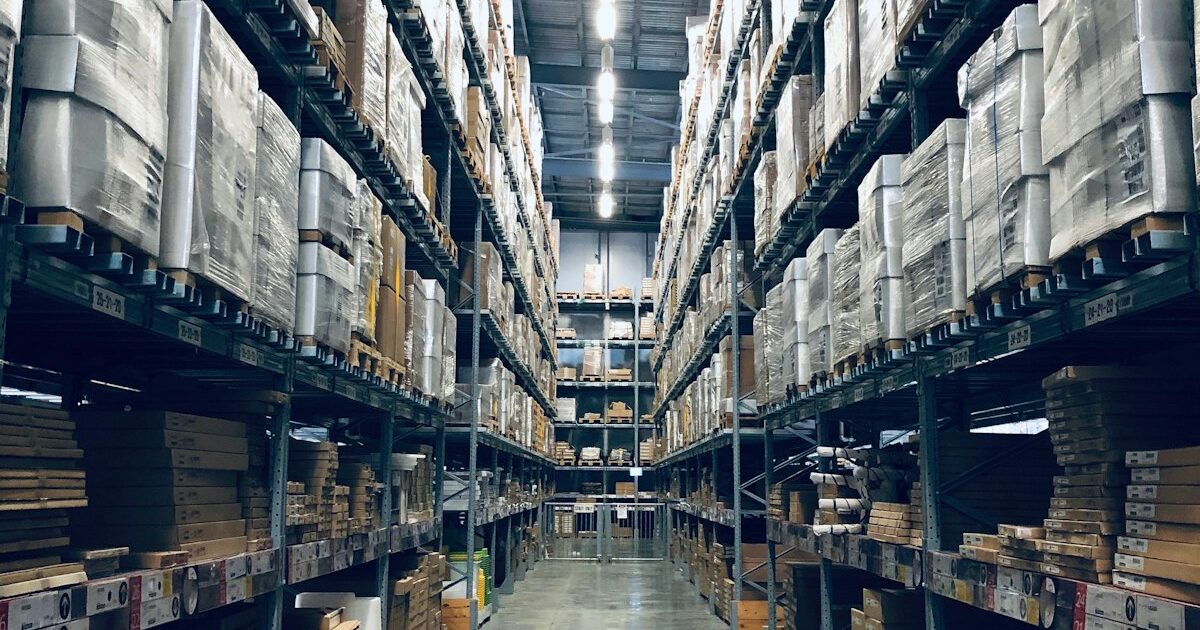
The starting point was Ferrières-en-Brie, a 37,000 sqm facility east of Paris. Three years ago Decathlon fitted two of its cells, roughly 13,000 sqm, with an Exotec installation covering 127,349 storage locations, 11 picking stations and about 200 robots. The build took 18 months. What counted more than the hardware was the method. By running the study and engineering work once, Decathlon could replicate a common base at each new site with only minor local adjustments. Later projects came online in 12 months instead of 18, and the shared design pulled unit costs down through volume.
Seven Sites, One Design
Six more warehouses followed. Beyond Ferrières, Decathlon added a second French site at Ensuès-la-Redonne near Marseille, two in Italy (Campania and Bologna), one in Germany at Schwetzingen, one in the UK at Northampton and one in Portugal at Setúbal. Each runs to similar specifications: 100,000 to 125,000 storage locations, 150 to 200 robots and 7 to 13 picking stations. Throughput lands between 3,000 and 4,000 order lines per hour, which works out to 150,000 to 200,000 items shipped to stores every day.
Why It Matters
Standardization also reshaped how the sites are run. Teams share performance data and operating practices across borders, so a fix found in Bologna can reach Northampton without a fresh integration project. For Exotec, the rollout doubles as a reference case in system integration at scale, not just robot supply.
Seven sites prove the template holds. Whether Decathlon pushes Skyfleet beyond Europe, or into direct-to-consumer flows, will say more about where retail automation goes next.