Today’s briefing tracks how the global supply chain is rebalancing across three live fault lines. Carriers are absorbing softer ocean rates and ongoing Hormuz disruption, while 3PLs press ahead with AI-led acquisitions and capacity commitments. Automation, WMS and visibility vendors keep posting upgrades – and energy and decarbonization remain the structural story, with chip, EV-trucking and LNG headlines all pointing in the same direction.
Operations & 3PL
GXO Logistics raises 2026 guidance. The contract logistics group reported a strong first quarter, citing revenue growth and rising demand across aerospace, technology, industrial and life sciences. The Q1 momentum suggests sector-specific verticals are driving outsized 3PL volumes, even as broader freight signals remain mixed. Source: Container News
Shippeo bolts AI workflow on top of visibility. The transport visibility specialist acquired German supply chain automation platform Logward for an undisclosed sum, deepening its push into AI-powered orchestration. The deal positions Shippeo to bundle real-time tracking with execution layers as shippers consolidate vendors around end-to-end control towers. Source: American Shipper
Amazon’s bundled supply chain services divide 3PL veterans. Some industry voices dismiss the new Amazon Supply Chain Services as a marketing repackaging of existing capabilities; others see a structural threat to incumbent providers. Either way, the launch accelerates the platformization of US logistics distribution. Source: JOC
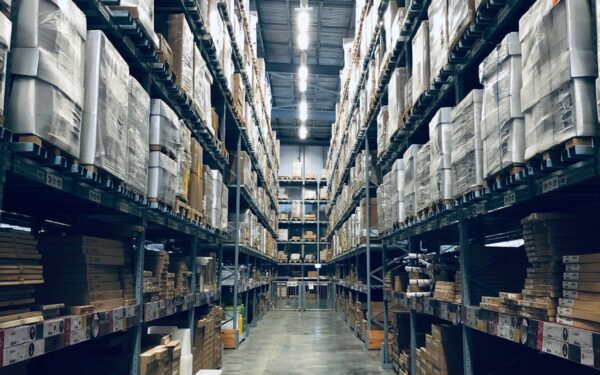
US industrial leasing surges in Q1. Leasing activity rose 17.8% year-over-year, with 145 million sq ft executed and 71.6% representing new requirements, according to JLL. The data confirms that supply chain reconfiguration – including reshoring and inventory rebalancing – is firmly translating into warehouse demand. Source: Logistics Management
Technology & Automation
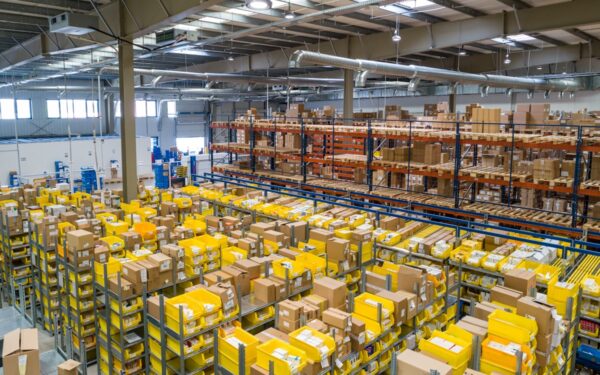
Grupo Bimbo automates a high-velocity warehouse. The Mexican baking giant – operating across 39 countries and four continents with 249 bakeries – has rolled out automation at one of its high-throughput distribution sites, illustrating how FMCG players are embedding robotics into core flows rather than peripheral pilots. Source: Logistics Business
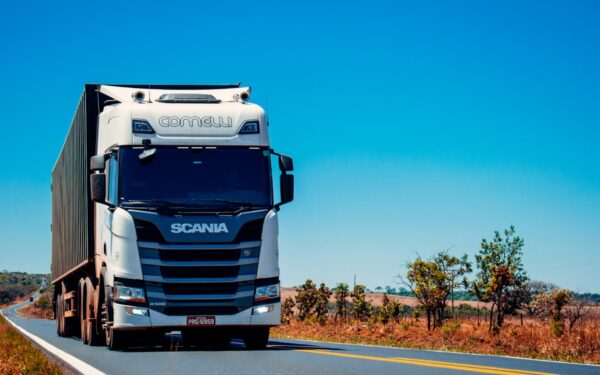
Aurora and Volvo extend driverless freight to Dallas–Oklahoma City. The new autonomous trucking lane adds another high-volume corridor to the small set of commercial Level 4 routes now operating in North America, and reinforces the steady, lane-by-lane build-out of driverless capacity. Source: Supply Chain 24/7
FedEx and ServiceNow expand AI partnership. The two companies have broadened their strategic alliance to develop AI-powered solutions for procurement, visibility and disruption management across global logistics networks. The deal underlines the convergence between enterprise workflow platforms and freight execution systems. Source: Container News
Infios named a Leader in 2026 Gartner WMS Magic Quadrant. The recognition – the eighth consecutive year for the vendor – reinforces the consolidation of WMS leadership around a small group of platforms competing on AI features and unified execution. Source: Logistics Business
Sustainability & Energy
Apple expands clean-energy and water investments in India. The new solar and water-management programs are tied to Apple’s supplier base and form part of the company’s accelerated trajectory toward full supply chain decarbonization. The push also signals how Tier 1 buyers are now embedding renewable infrastructure deeper into supplier ecosystems. Source: DIGITIMES
WattEV places record Tesla Semi order. The California-based carrier announced 370 Class 8 Tesla Semi electric trucks at ACT Expo, with first deliveries of 50 units. The contract revives Tesla’s heavy-duty trucking strategy and gives West Coast shippers a credible zero-emission fleet path on regional lanes. Source: American Shipper
Lloyd’s Register flags LNG decarbonization progress. The latest “Fuel for thought” report highlights continued LNG orderbook growth and notable advances in cutting methane slip, positioning LNG as a viable compliance pathway as IMO and EU regulations tighten through 2026. Source: Hellenic Shipping
International Markets
Maersk Q1 profit hit by weaker ocean rates. The Danish liner reported a first-quarter profit decline as softer container rates offset higher volumes. The result is the latest signal that post-2024 freight rate normalization is now showing up in carrier P&Ls, even on transpacific lanes still seeing demand pulses. Source: American Shipper
Hormuz crisis cuts VLCC volumes 36%. Volumes through the strait have fallen sharply while voyage durations rise as tankers reroute, according to Lloyd’s List. The reshaping of crude flows is feeding back into ton-mile demand and freight rate volatility across tanker segments. Source: Lloyd’s List
CMA CGM containership attacked in the Strait of Hormuz. Crew were injured and the vessel damaged during transit; a sister ship exited the Gulf as the French operator reassessed routing. The incident reinforces the operational risk premium now embedded in Middle East trade lanes for both tanker and container traffic. Source: gCaptain
US Federal Maritime Commission steps into the climate file. Chair Laura DiBella participated in MEPC 84 in London as part of the US delegation, marking a shift in how US regulators engage with IMO greenhouse-gas rule-making and signalling tighter coordination between trade and environmental oversight. Source: gCaptain
Related Coverage
- Amazon Opens Logistics Network to Outside Brands With New Supply Chain Arm
- Shippeo Acquires Logward to Pair Visibility with AI Workflow Orchestration
- Action Opens Sixth French Distribution Centre with GXO in Onnaing
- Dematic Partners with GreyOrange for AI Warehouse Orchestration
Updated daily — your morning briefing on global supply chain.