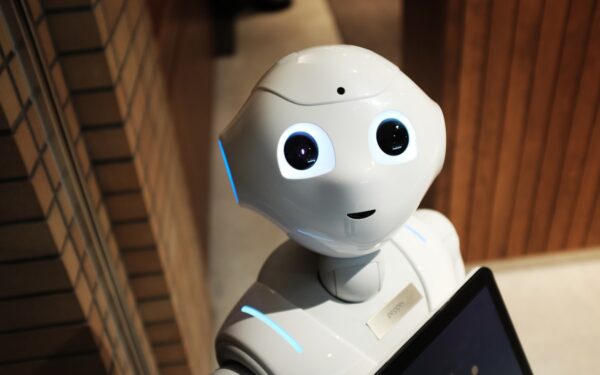
Identification and traceability specialist Zebra Technologies has taken an undisclosed equity stake in Canadian software company Apera AI, in a deal completed through the corporate venture vehicle Zebra Ventures. The investment marks Zebra’s formal entry into so-called physical AI, an emerging category designed to give industrial and logistics robots advanced perception and decision-making capabilities.
A Bet on Physical AI for Robots
Founded in 2016 in Vancouver, Apera AI is positioned among the early movers in physical AI, a generation of artificial intelligence aimed at enabling robots to perceive their environment, reason about it and act autonomously inside dynamic, unstructured production and warehouse settings. The company’s patented 4D Vision software is robot-agnostic and combines three-dimensional spatial data, including position, dimension and shape, with temporal information to track motion in real time. According to Apera, the system identifies objects with 99.9% reliability and can anticipate movement before it occurs.
Targeting Speed, Accuracy and Faster ROI
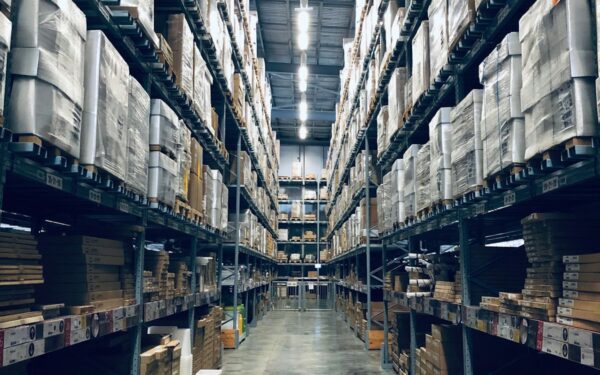
The technology is designed to lift robotic performance on industrial production lines and inside warehouses, supporting use cases such as picking, racking and packaging. Apera says its solution requires minimal configuration, shortens deployment timelines and accelerates return on investment compared with traditional vision systems. “We are proud to contribute to the future of industrial automation driven by AI and vision-guided intelligence,” said Sina Afrooze, co-founder and Chief Executive Officer of Apera AI, in a statement accompanying the deal.
Strengthening Zebra’s Intelligent-Operations Stack
For Zebra, the investment expands what the group describes as its foundation for intelligent and automated operations, a portfolio sold into retail, manufacturing, transport and logistics, and healthcare. By adding 4D Vision capabilities, the company can position itself further up the automation stack, beyond barcode scanning, RFID and mobile computing. The move also reflects a broader trend in the supply-chain technology market, where established hardware vendors are increasingly investing in AI software to differentiate their automation propositions and lock in long-term customer relationships.